
Steve Spencer
Painter and 3D Creator
Little Rock, AR, USA
Copy Profile Link
Acrylic Paintingsculpting
Artist Statement
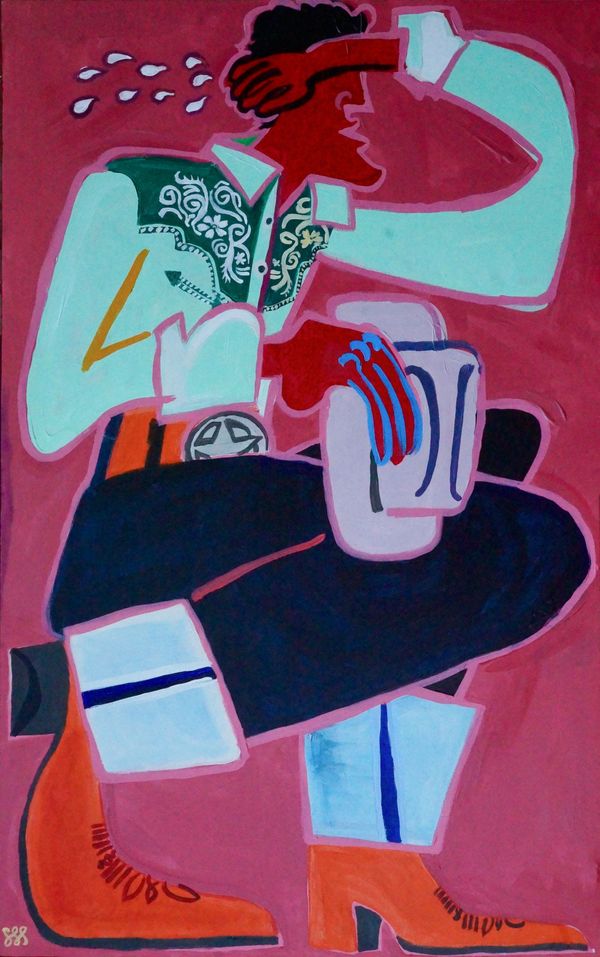
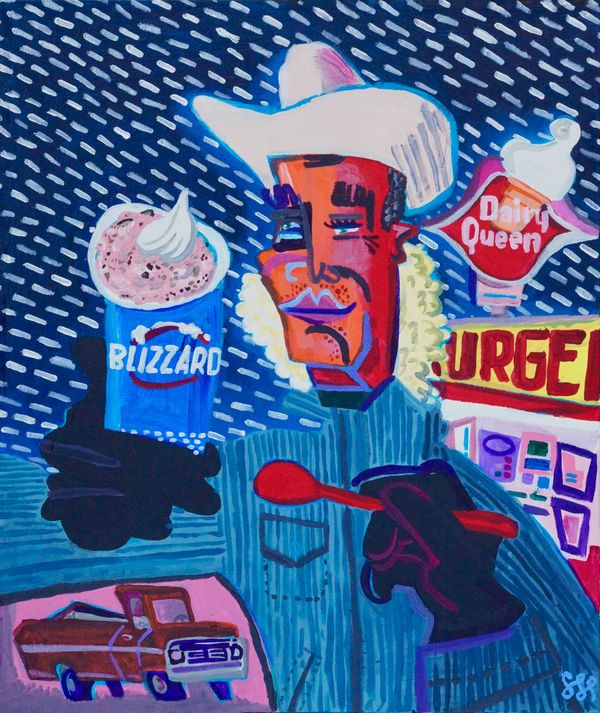
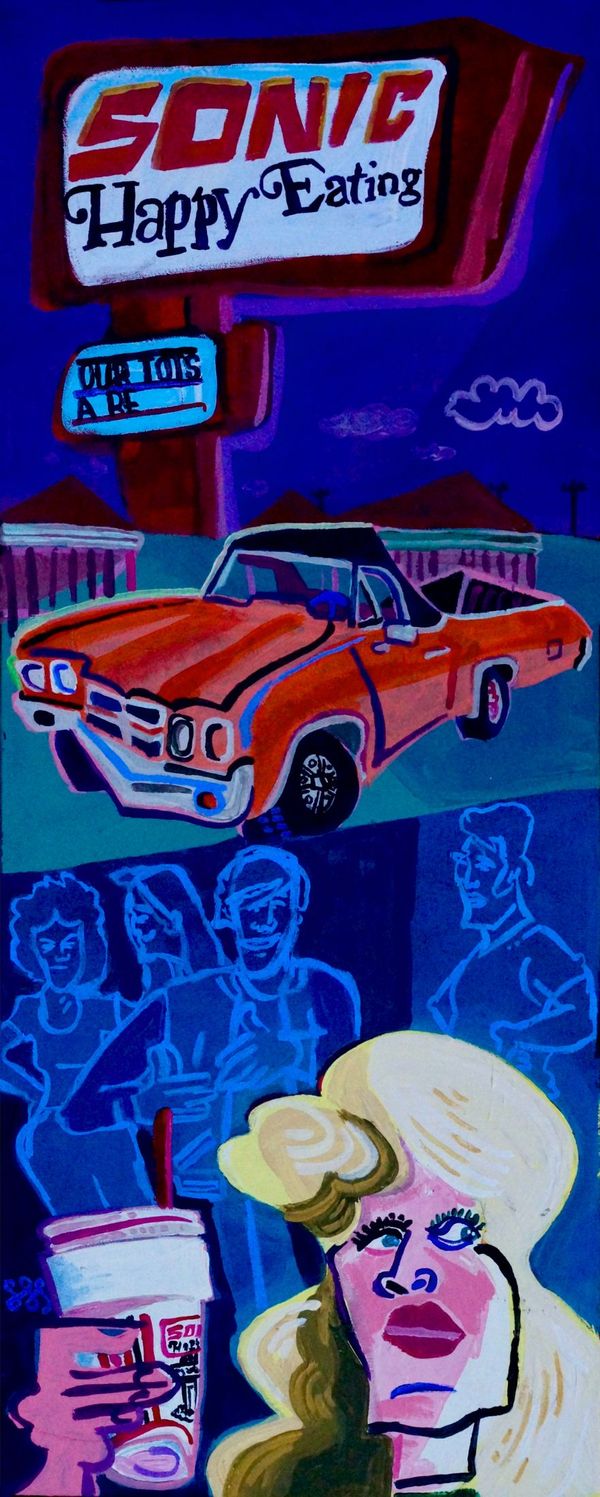
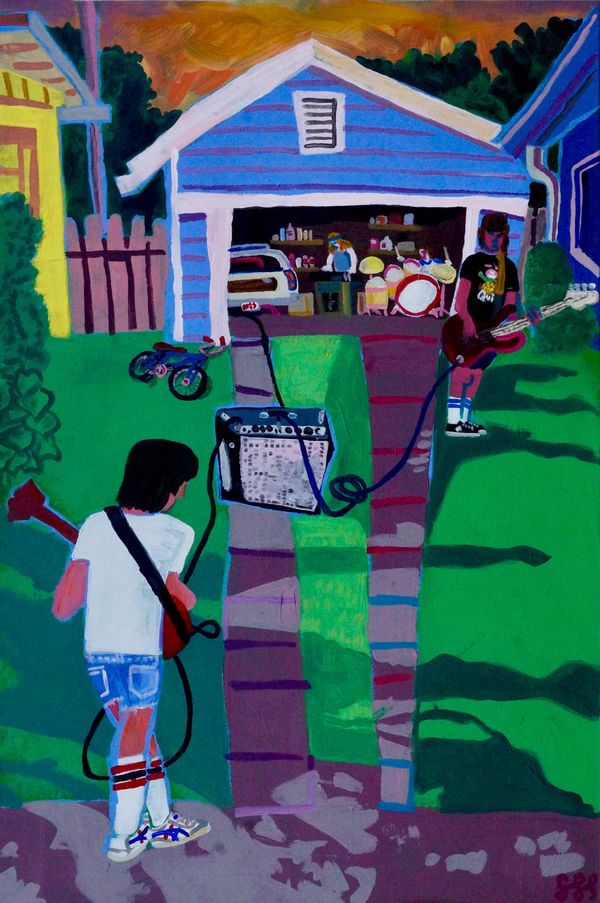
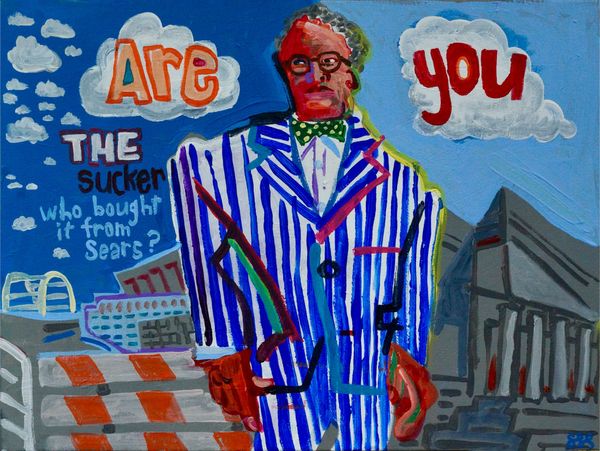
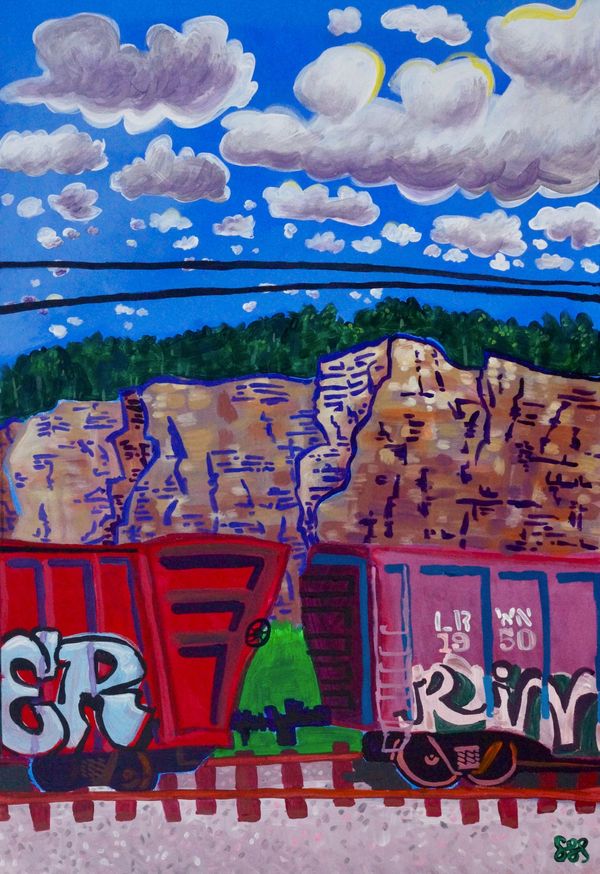
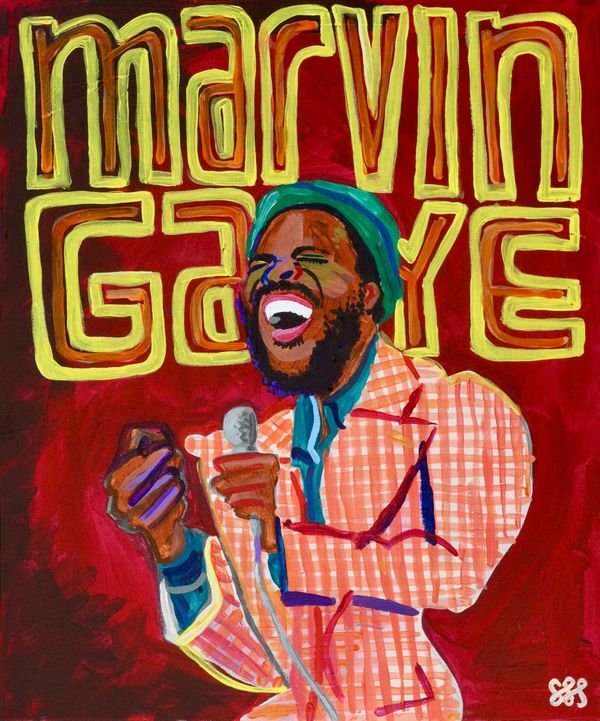
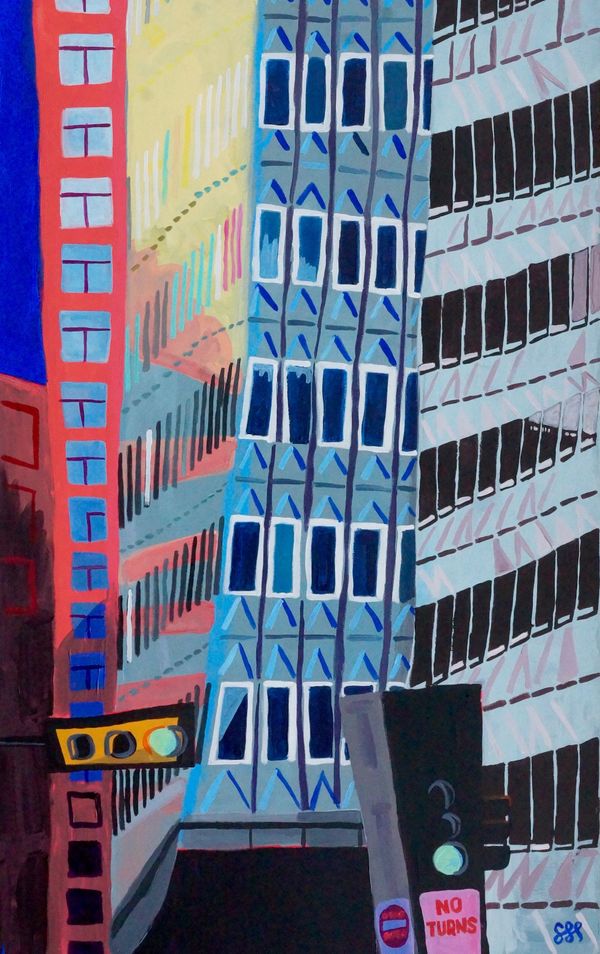
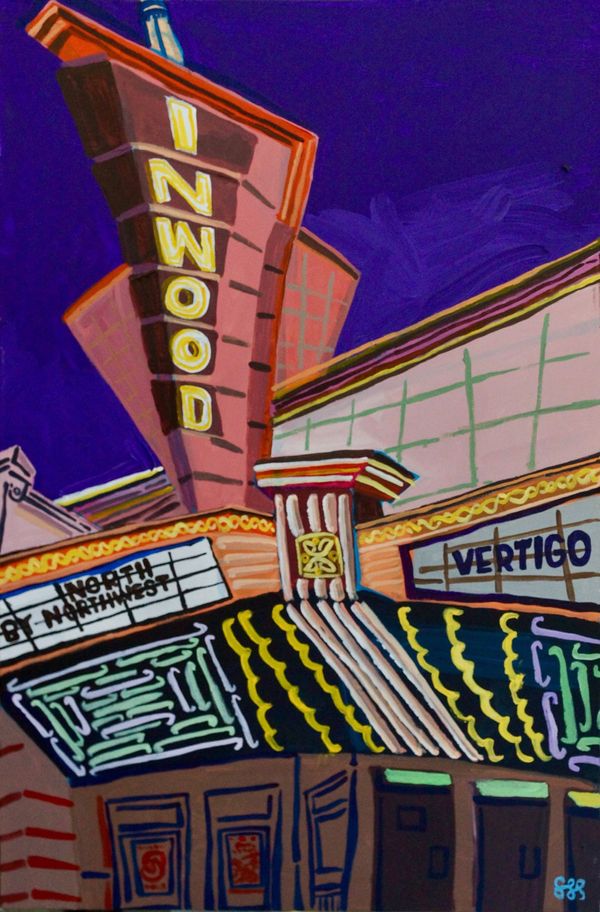
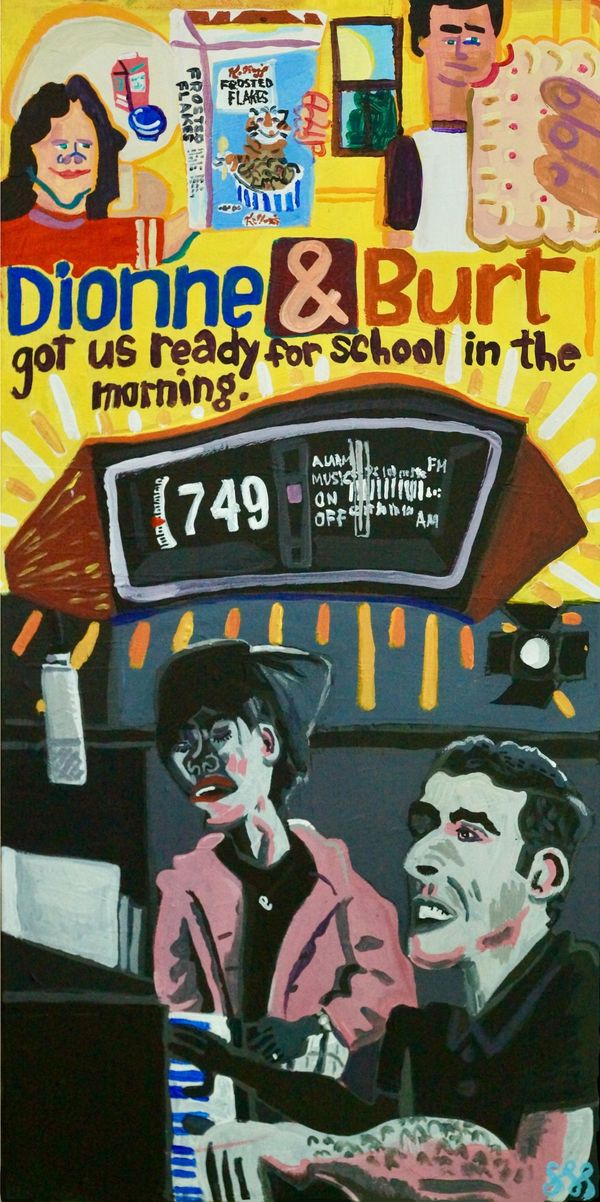
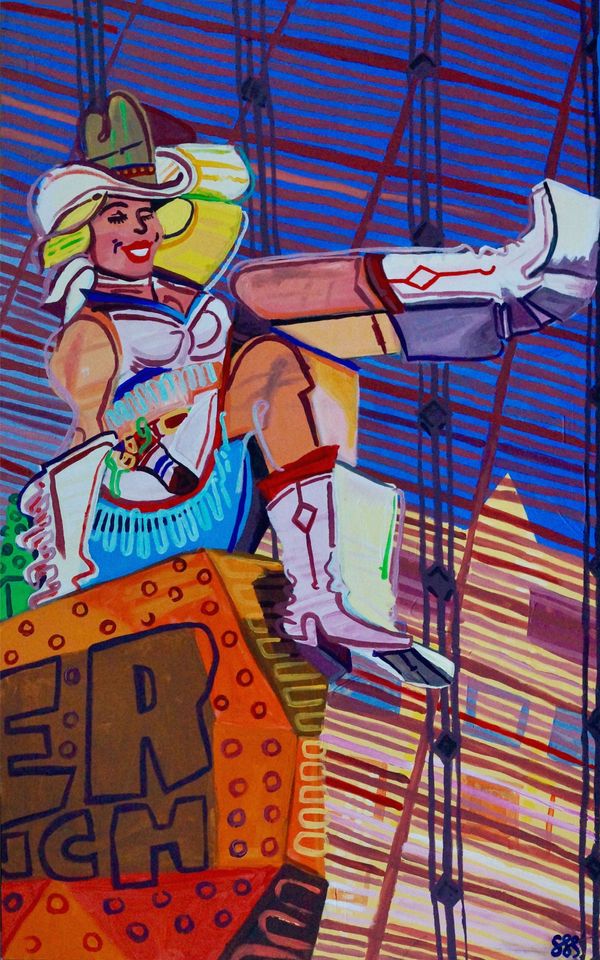
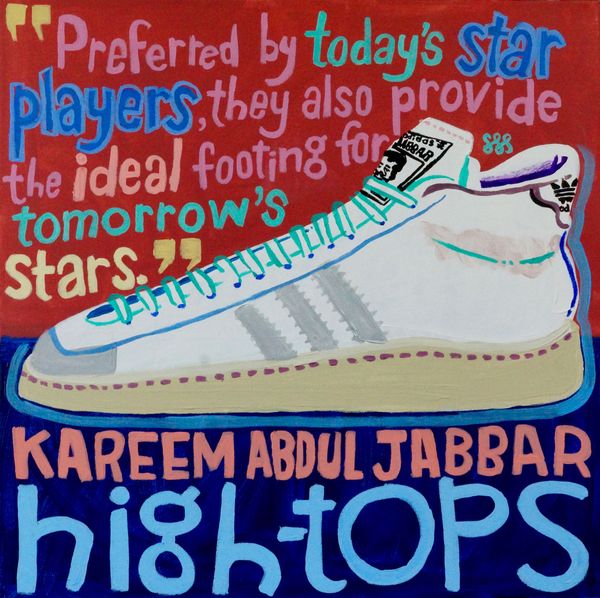
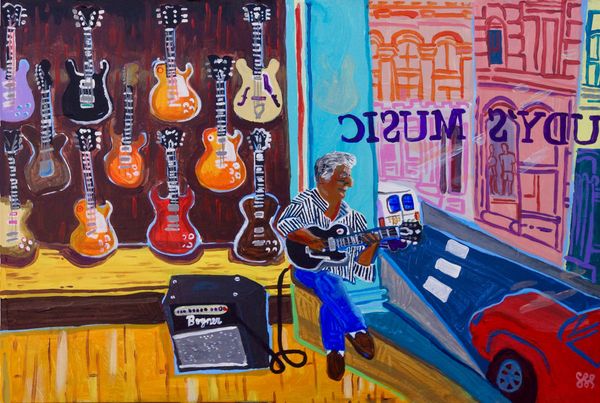
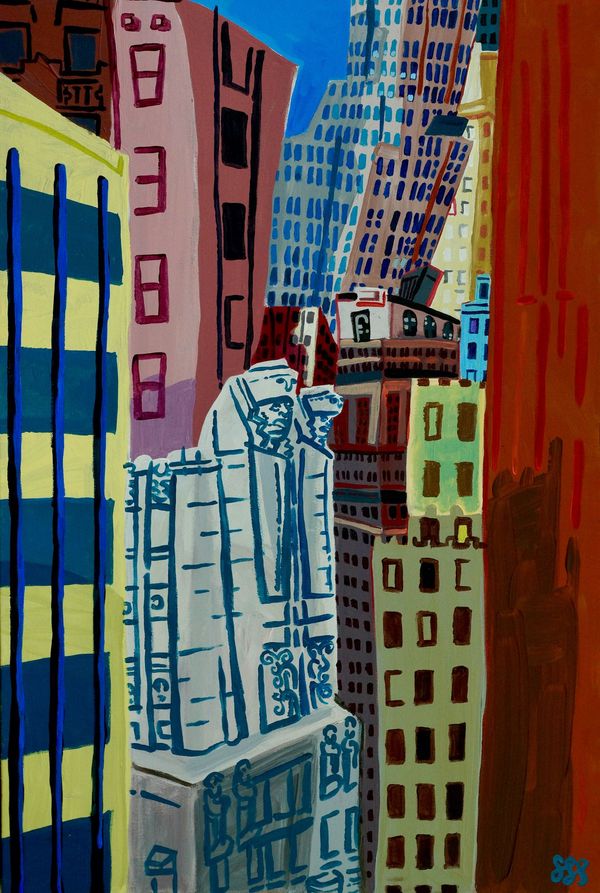
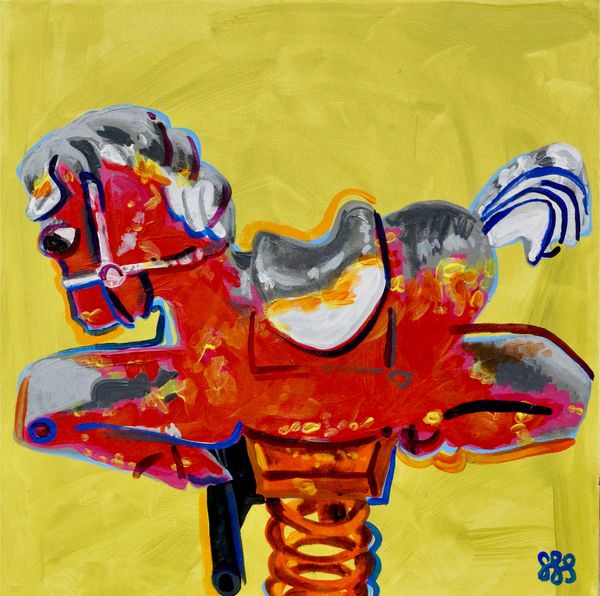
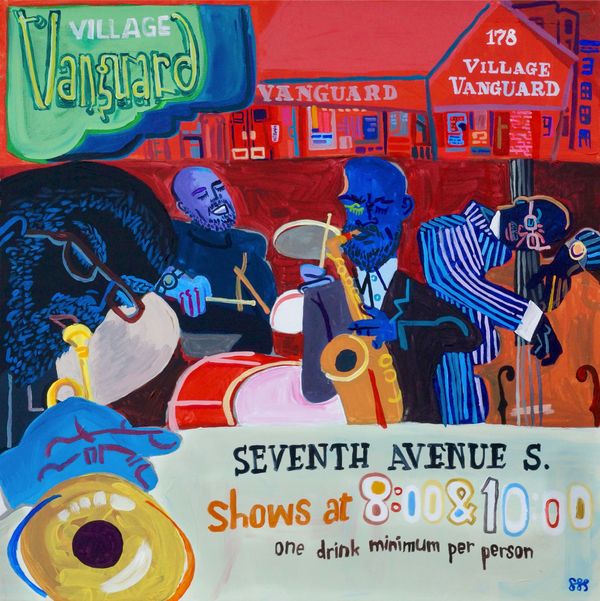
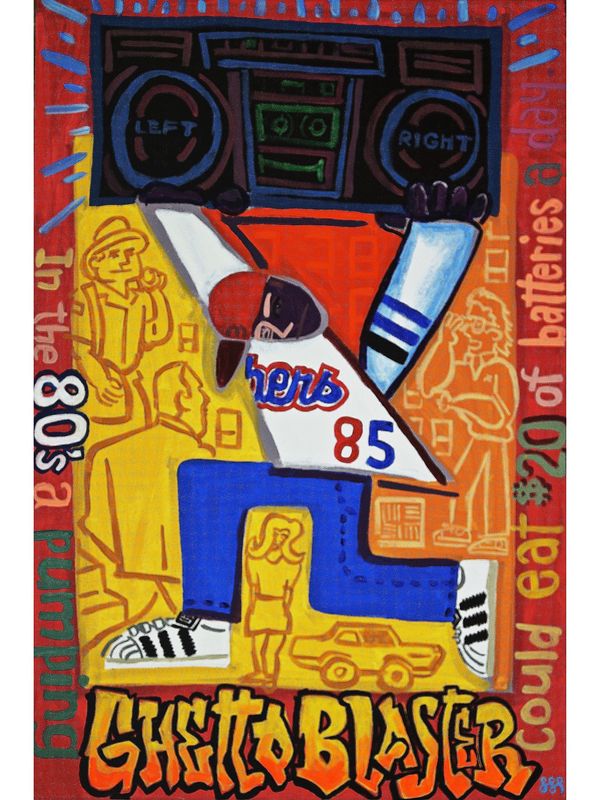
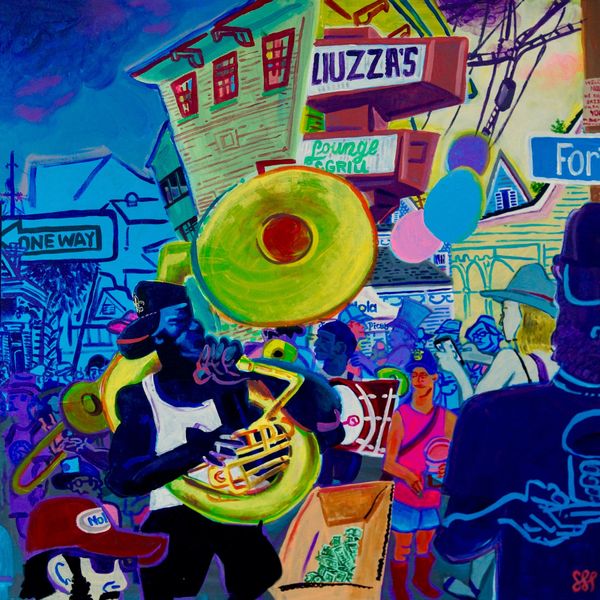
I am using the plastic properties of cut and bent foamcore and acrylic paint to make visual music. I have synesthesia: I hear colors and see rhythms and harmonies. My work aims to convey the energies and emotions of people, places, memories, situations and things. How we process the firehose of sensory information we take in from the world. When I started painting at age forty five I set out strict rules based on folk artists practices. I painting on cardboard, only mixing two colors and only using three brushes. These restrictions helped me develop a personal style. As I’ve matured, my ideas have increasingly mutated, evolved and taken unexpected turns. I’ve embraced the idea that every step in the creative process is another chance to improvise. To see possibilities that weren’t obvious before. My process is more of a jazz mindset than a chamber music sensibility. In service of communicating my feelings I am open to a wide range of visual strategems and techniques. I’ll take an idea from anywhere - Red Grooms, Elizabeth Murray, Ornette Coleman, Harold Finster, Matisse, Warhol, Earth Wind and Fire, David Bates, Phillip Glass, Roy Lichtenstein, Charles Mingus. I am continuously working to surprise myself.
Bio
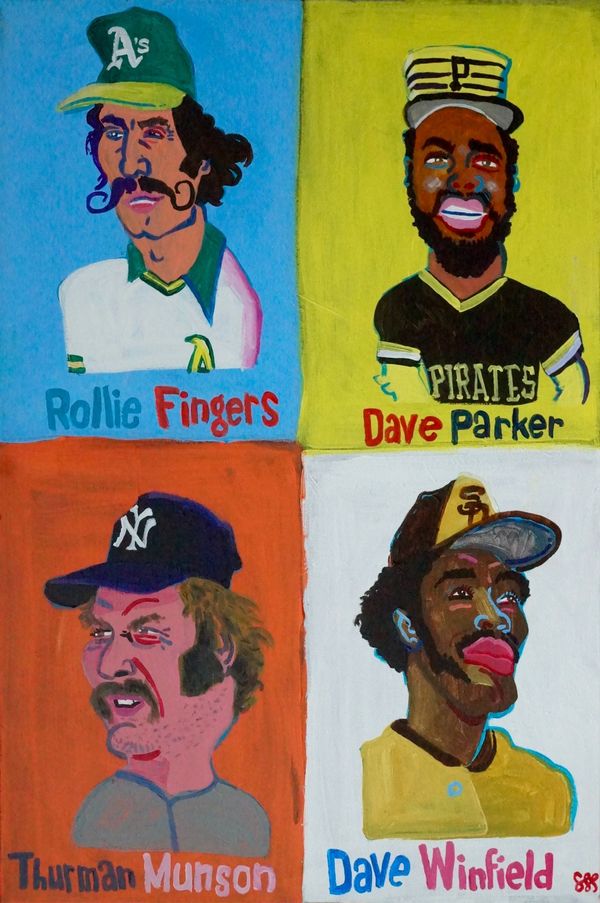
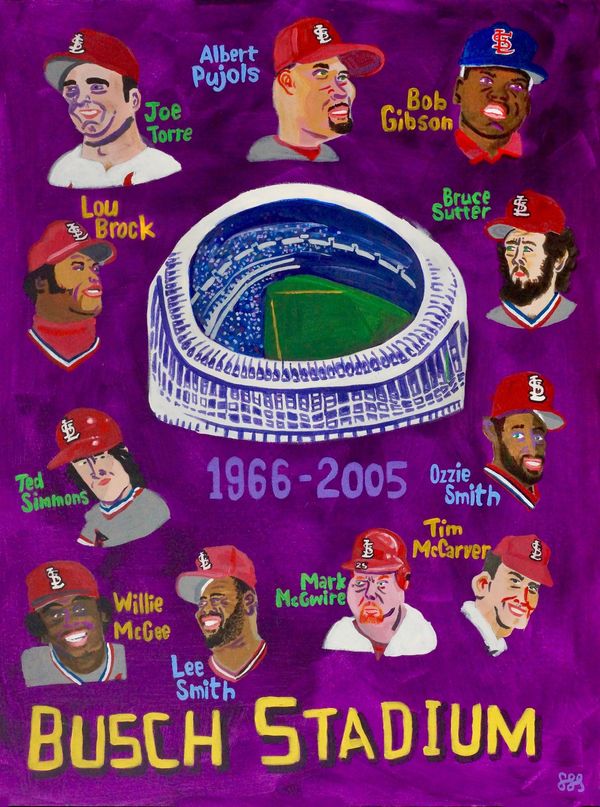
“Maybe the first thing you need to know to get where I’m coming from,” begins celebrated painter Steve Spencer, “is that I have a touch of synesthesia.” Once you’ve been clued in you cannot help but see the music Spencer has created. The rhythms and patterns, the interactions of fields of color, the juxtapositions of shades and lines, these all bring music to the mind of a viewer.He elucidates, “Music makes me see colors. I didn’t ever think that was unusual, until I mentioned it to the creative team I was working with on B.B. King’s Google Doodle. They gasped.” It’s somewhat of a two-way street. “When I see a Hockney, or the work of Basquiat, Matisse, Kandinsky, Red Grooms or Stuart Davis, music jumps into my brain.” He sees painting as balancing composition with improvisation. “Every step in the creative process, from the initial sketching of ideas to the built up ridges of acrylic paint on the canvas opens up a chance to rethink what the painting will become.”In kindergarten Steve was chosen to paint all of the backdrops for the yearend play. His accomplished draftsmanship and openness to new modes of expression put his work in children’s exhibitions in Arkansas and Tennessee. In his rural school art instruction ended in the eighth grade. After careers in investment banking, screenwriting and advertising, Spencer found himself drawn back to artistic expression. He dove headfirst into the plastic possibilities of acrylic paint on various surfaces. “I worked my way through several cul de sacs to realize that I could take the outsider attitude of my favorite folk art and incorporate some of the techniques and tactics of Pop Art to produce something that really felt like me.”His work creates a version of reality that is way more vivid, more expressive, more jaw-droppingly fun than real life. “I like to think that I can take in whatever subject matter and work it into a shape that doesn’t depend on that subject to carry the artwork.” At first inspection Spencer’s surfaces feel loose. But in further viewing the structure asserts itself. The interplays of color and line, the rhymes and allusions reveal themselves slowly. Steve’s slyly post-modern pieces subtly mesh discordant traditions into a harmonious whole.Steve delves into his process: “I sketch out a basic composition in my notebook. Then anytime from later that day to a couple of years down the road I may sketch that sketch. And so on, until I feel that I have an energizing concept for a piece of art. Over the years I’ve learned that the forgetting of the original sketch and the reconceptualizing that follows is the most mysterious part of the journey. By the time I commit to putting paint on canvas I try to forget what the objects in the painting represent and view them as shapes and colors. As I paint the various layers I keep diving deeper into what emotions, what music, the finished work will evoke in me.”While developing his personal style Spencer would hang whatever he’d just completed in his family’s dining room. “It was fascinating to see how a particular work could change the temperature of that room.” Friends would ask Steve if the paintings were for sale. “Finally one night, during our Christmas party, I said ‘yes.’”More sales followed. And so did requests to show various paintings in museums around the country, including two events at the Crystal Bridges Museum of American Art where Spencer created paintings inspired by innovative exhibits there. Glclee prints were sold in the gift shop for three years there. He was honored with a grant by the Historic Arkansas Museum, named Jazz Visual Artist of the Year by ‘Jazz Color’s’ magazine, Baseball Artist of the Year by Spitball magazine and featured in Brand Design Magazine. His work is a part of several permanent collections. “I am always trying to grow as an artist. To break down whatever barriers, formal or internal, that might be holding me back.” One way Steve pushes forward is collaboration. “I love working with people to create art that I might not have come up with on my own. I’ve been helping a boutique fashion house in Montreal design clothing items, I’ve helped develop magazine covers. I’m open to new ideas, subject matter and approaches.”
Available for Hire
View all Artwork
View all Artwork