
Follow
Like
0
Add to Favorites
Description
my project came from a simple everyday observation
the plant transplantation failed, they got sick, I had 2 options: watch them and wait for recovery or cut off the healthiest parts, exposing them to extreme stress, but save
the metaphor of separating the diseased roots from the green tops suddenly fell precisely into the trauma I was experiencing - to break off contact in order to save myself
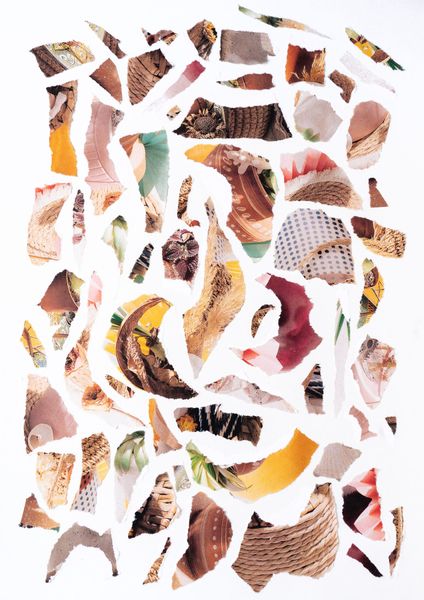
I used the form of a still life, including the theme of gardening, referring to the initial experience, which led to a chain of reasoning, and mixed media added another layer to the narrative
ideologically, I have divided the received materials into three process chapters:
- we are born with some kind of predisposition, forming about the environment - “formation”
- then we encounter the world, trying to simultaneously fuse with it and separate ourselves - the “gap”
- and then, if we have any strength left, we discard the diseased roots, look for new supports - a “way out”
Year Created
2026
Location
Almaty, KazakhstanColors
BrownLight PurpleTanTeal
Materials & Tools
PaperDigital Camera
Search Terms
ArtCollageInvertebrateModern Art
View Profile
Diana Muminova
Kazakhstan
At the core of my practice is the relationship between memory and transformation. Memories change over time: some details become more vivid, others fade, and each return to the past, shaped by one's emotional state, alters it in subtle ways.
I work with the genre of still life because it allows me to speak about a person's inner world through the objects that inhabit domestic space. The home, historically associated with the experiences of women, has long been a place where they found ways to create using everyday objects and readily available materials. Continuing this tradition, I work with objects from my own home, drawing on everyday life as the material for my practice.
Each work begins with a still life composed of ordinary household objects. Within my compositions, these objects lose their practical function and become part of personal narratives. I then photograph the assembled scene, but the photograph is only the first stage of the process. Returning to it through collage, I dismantle and reconstruct the image, transforming both its form and its meaning. In doing so, the image follows the same path as memory: it transforms and is continuously reinterpreted.